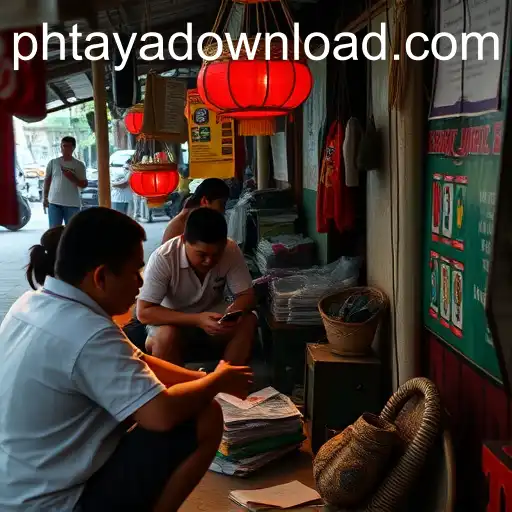
Exploring the World of Jueteng and Its Connection to Phtaya
Jueteng is a controversial numbers game deeply embedded in certain communities, particularly in the Philippines. Despite being illegal, it thrives due to various socio-economic factors and complex local traditions.
The Origins of Jueteng
The game originated from China but has seen significant adaptation in the Philippines, evolving into a pivotal aspect of local culture. Jueteng is often organized in a grassroots manner, where local operators take control of the highly decentralized and unpredictable lottery system.
The Mechanics of Jueteng
Phtaya, which essentially signifies a bet, is fundamental in the process of Jueteng. Players choose a combination of numbers, often two-digit, and place their stake on these numbers. Should their chosen numbers get drawn, they win a significant payout, usually much higher than the bet amount, offering a glimmer of hope for financial relief among bettors.
The Role of Collectors and Cabos
The structure of Jueteng is hierarchical, involving multiple roles. At the lower tier, the collectors, commonly referred to as "kubrador," gather bets from players. Above them are the "cabos," the managers overseeing operations within specific areas. This network facilitates the flow of cash bets from players to local heads who compute the day's winning numbers.
The Social Impact of Jueteng
Jueteng's influence extends beyond economic dimensions. It is ingrained in the local social fabric, often acting as an informal financial institution. In impoverished communities, the game offers a source of excitement and anticipation, besides the remote chance of improving one's financial situation.
Jueteng's Politics and Corruption
A major reason Jueteng persists is its complex relationship with local politics. Historically, some politicians have used the proceeds from Jueteng to support their campaigns or maintain influence over certain districts. This patron-client relationship fosters a cycle of corruption, where political figures may offer protection in exchange for financial support from Jueteng profits.
Legal and Regulatory Challenges
Despite its prevalence, Jueteng remains illegal under the current gambling regulations in the Philippines. Various administrations have attempted to curb the activity, but enforcement proves challenging amid widespread participation and the intricate ties between Jueteng operators and local officials.
The Ethical Dilemmas Surrounding Jueteng
The ethical concerns related to Jueteng are wide-ranging. For some, it represents an opportunity to escape poverty, albeit through risky betting. For others, it underlines the failures of systemic poverty reduction and governance. The challenge lies in balancing these views to address the underlying issues while respecting local traditions.
Phtaya as a Cultural Phenomenon
While economically motivated, placing a phtaya is often seen as a cultural expression. In many ways, it highlights the resilience and ingenuity of communities who find ways to exist and thrive outside formal economic structures.
Future Prospects and Alternatives
The future of Jueteng remains uncertain. With advancements in technology and a push for more regulated gambling, there is potential for transformation. However, without addressing the core issues of poverty, education, and enforcement, any attempt at reform will likely face significant resistance.